
International Year of the Woman Farmer 2026: Empowered Women, Transforming Agrifood Systems | The Ballroom
In recognition of the International Year of the Woman Farmer 2026, join us for a conversation celebrating the women who nourish our communities and care for the land. From an international coffee farmer, to a Willamette Valley family farm, and a Black-led small farm incubator, this diverse panel explores the essential work of women producing, processing and trading food that sustains our families, communities, and economies. Empowered women farmers are key agents of change in transforming agrifood systems. Their ground breaking work closing gaps in access to and control over land, finance, technology, education and decision-making, enhances well-being, boosts productivity, strengthens resilience to climate change and drives progress towards sustainability. Together, we’ll explore what keeps these women rooted in the work, the lessons they’ve learned along the way, and what they hope for the future of agriculture.
Enjoy samples of Café Mam coffee and farm fresh goodies!
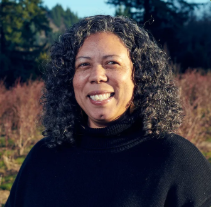
Shantae Johnson | Executive Director & Farmer | Feed’em Freedom Foundation
Shantae serves as Executive Director of Feed’em Freedom Foundation. Her grandmothers are her muses and inspiration for how to grow and give back to the community and interact with the land. She is a cultural bridge-builder with strengths in community organizing, project management, and program creation with a public health lens. She also serves on the Oregon Board of Agriculture, appointed by former Governor, Kate Brown, where she sits on the advisory committee to represent small-scale producers. Shantae is also a co-founder and Farmer at Mudbone Grown, a Black-owned farm enterprise that promotes inter-generational community-based farming and is on the leadership team of the Black Oregon Land Trust. She is a parent, healer, chef, and referee to six beautiful brilliant children.
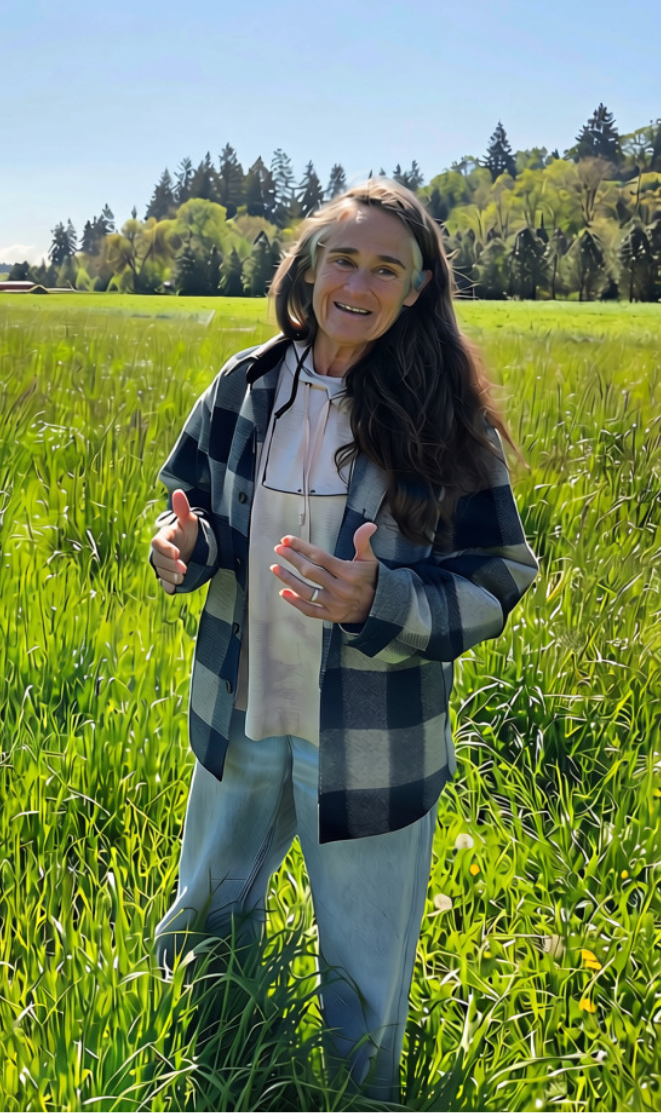
Christine Deck | Co-Owner | Deck Family Farm
Christine Deck is an regenerative farmer, educator, and co-founder of Deck Family Farm, a 320-acre regenerative operation in Oregon’s Willamette Valley. Raised in a multi-generational farming family in California’s San Joaquin Valley, she witnessed the rise of industrial agriculture which inspired her lifelong dedication to ecological stewardship and food sovereignty. After studying animal science at UC Davis and earning a neurobiology degree from UC Berkeley, she and her husband, John, relocated to Oregon in 2004 to build a sustainable, diversified farm. Today, Deck Family Farm produces pasture-raised livestock, dairy, eggs, produce, and nuts for regional markets, supported by 30 employees and an on-farm internship program training up to 10 future farmers each year. As a panelist, Christine brings hands-on expertise in regional food systems, agricultural succession, and mentoring the next generation of land stewards. Learn more about Deck Family Farm here.
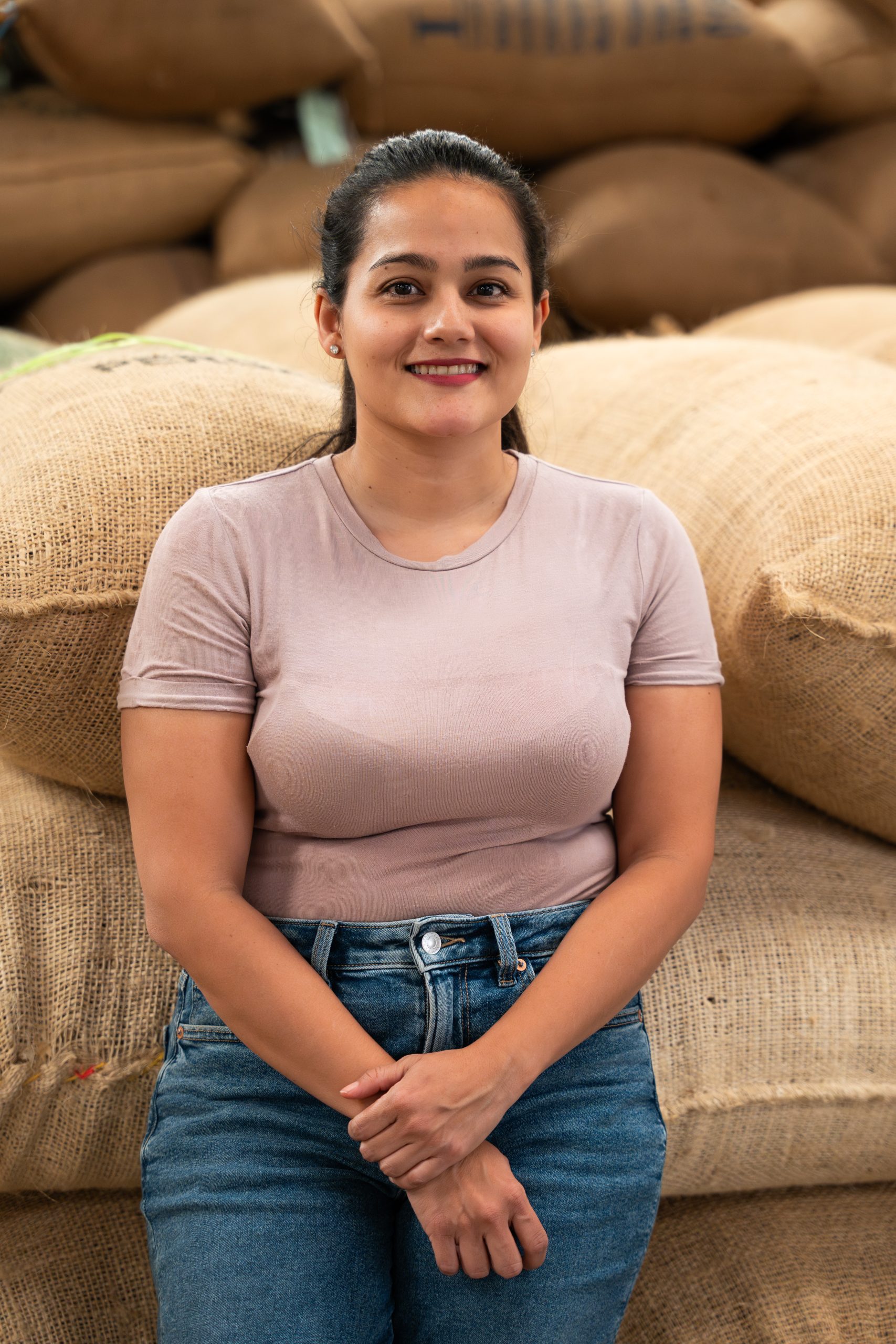
Silvia Herrera | Finance and Marketing Manager & coffee producer| San Fernando Union of Ejidos coffee cooperative in Chiapas, Mexico (joining via zoom)
The Union of Ejidos and Communities of San Fernando is a social economy enterprise owned and governed by small-scale producers of Organic and Fair Trade Certified coffee in and around the town of San Fernando in Chiapas, Mexico. In addition to managing all facets of finance and marketing for her cooperative, Silvia is a two-time Mexico Cup of Excellence Presidential Award Winner. Known for her elegantly crafted and exquisitely delicious coffees, her lots earned Cup of Excellence International jury scores of over 90+ points in the 2021+ 2022 competitions. Silvia has a master’s in Business Management of Social Economy, and is a Q grader tester certified by the Coffee Quality Institute (CQI). She is one of a group of women producers, many of whom are indigenous, and shares her achievements with the group.
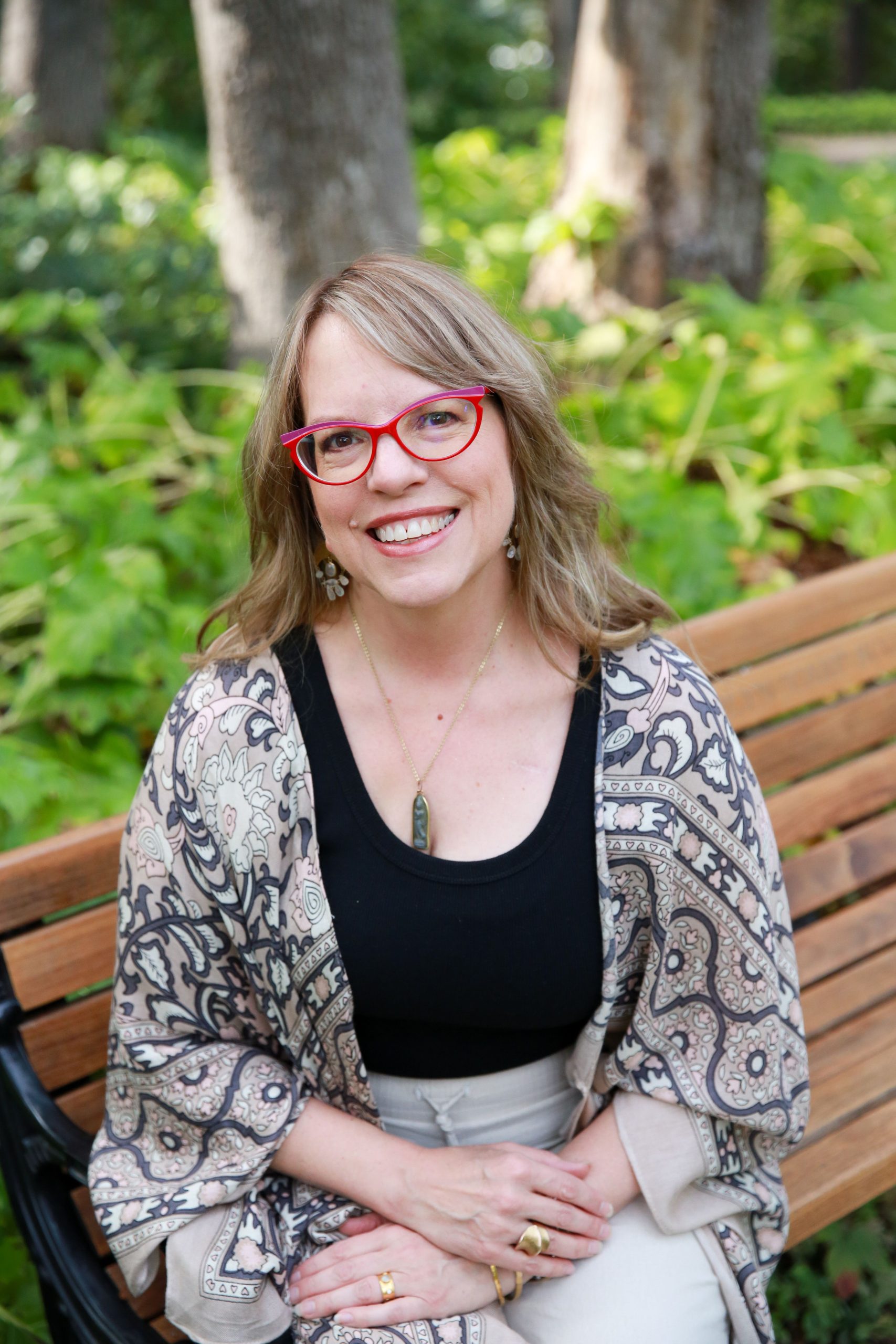
Moderated by Megan Bassett | Community Liaison | Café Mam Coffee
Having studied Latin American History & Politics and Spanish at the University of Oregon and worked with children of migrant farm workers, Megan’s experience offers an engaging lens for viewing Café Mam’s 35-year relationship with producer-owned cooperatives in Chiapas, Mexico. Her presentations touch on themes including coffee’s exploitative colonial origins, the pivotal emergence of producer-owned cooperatives, sustainable agroforestry, the unseen work of women in coffee and the inspiring emergence of SPP Global as a champion for small-scale and indigenous producers in the global fair trade arena. With fresh photos and stories from Café Mam’s producer partners in Chiapas, Megan is available to present about these or any coffee-related topics from seed to cup for your organization. Email [email protected] for more information.